Dreams About Whales: Unveiling Their Deep Meanings & Symbols
Unlock the hidden meanings behind dreams about whales. Discover symbolism and interpretation in our comprehensive guide to dreams about whales.
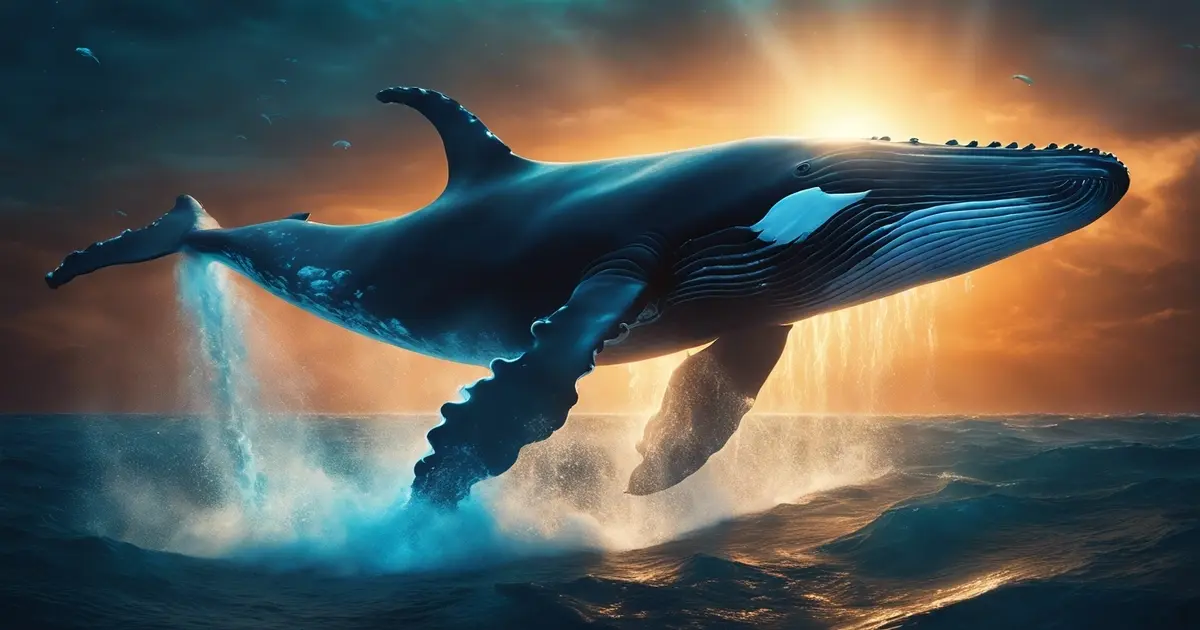
“ Whale dreams often represent profound emotions, instinct, and change. “
Whales in dreams often signify intense emotion, profound remembrance, or a desire for serenity—most associate whales with the unconscious, family ties, and slow cycles of transformation. Meanings vary according to the type and size of the whale, the state of the sea, and your position as observer or swimmer. Recurring motifs include security, wonder, mourning, and a nudge to be heard or to hush. Contemporary perspectives mix psychology, culture, and sleep science from journals and worldwide studies. The guide below spells it out.
Key Takeaways
- Whale dreams often represent profound emotions, instinct, and change. They may indicate a timely call for inner inquiry and clarity about who you really are.
- Read the context – your interaction with the whale, the environment, and the whale's condition. Capture these moments upon awakening in a dream journal to maintain clarity.
- Species influence significance, with blue whales indicating immense strength and growth, humpbacks directing towards imagination and expression, orcas representing authority and equitable force, and belugas symbolizing joy and restoration. Pinpoint the species to narrow down the analysis.
- The situation changes the meaning: tranquil gliding indicates peace and direction, while vicious attacks or beachings denote challenges or anguish. Pay attention to whether the water was calm or stormy and how you felt in the dream.
- Consider the whale your inner guide to wisdom, courage, and hidden powers. Establish one actionable objective suggested by the insight and take a step forward within 24 hours.
- Expand your view with world symbolism and contemporary psychology to deepen significance. Utilize short daily journaling or meditation sessions and reach out to peer support groups or professional therapists if sentiments become intense.
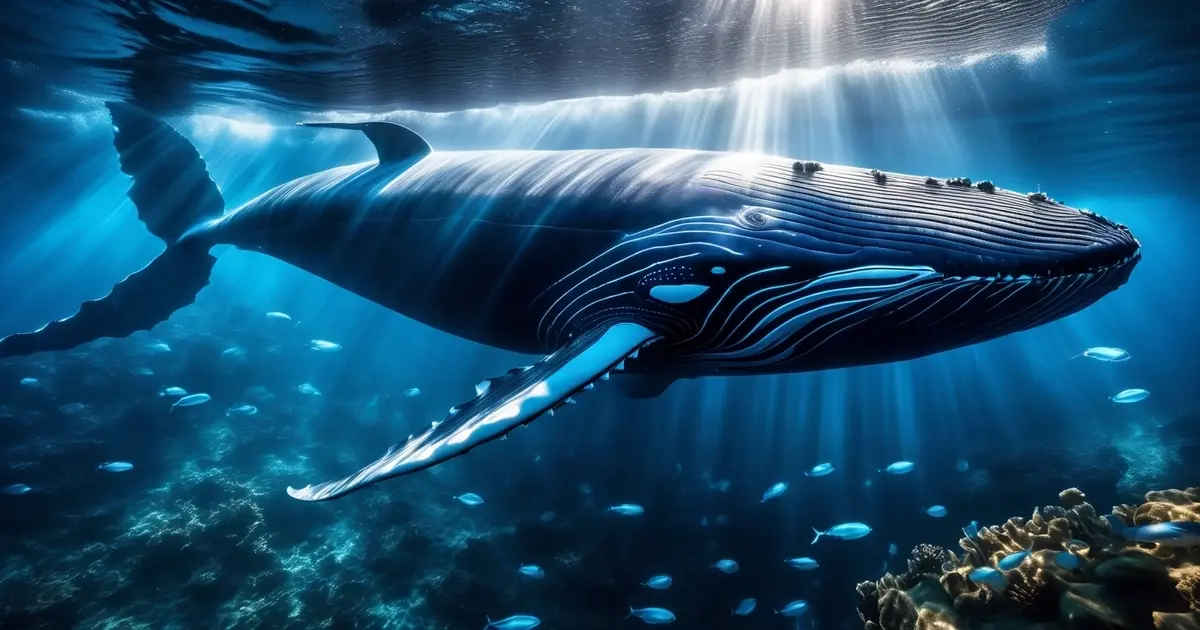
The Core Meaning of Whale Dreams
Whale dreams often reflect profound feelings and intuitive senses, acting as symbols of insight and leadership. These powerful creatures are associated with transformation, emotional depth, and the expansive subconscious, encouraging sincere introspection.
1. Deep Emotions
Whales can symbolize deep emotions. The ocean in these dreams mirrors your inner world: vast, layered, and not easy to map.
A sudden breach, a slow dive, and a long song may expose grief, longing, or liberation emerging from the unconscious. In Jungian terms, the whale can bear transpersonal themes from the collective unconscious seeking acknowledgment.
Intense responses matter. Whether you feel fear, awe, or calm in the dream can indicate something you need right now: distance, nurture, honesty, or tension you've been trying to suppress.
2. Inner Wisdom
In many traditions, whales are considered guardians of primordial wisdom, and their presence in dreams can signify a deep connection to your subconscious mind. This often manifests as an urge to listen to your instincts and obey the whispering voice within. Baleen whales that sift life through fine plates and killer whales with sharp, conical teeth both act with fit-for-purpose design, nudging you to deploy the right tool for the decision at hand. Their long-range songs and swim speeds of up to 23 mph demonstrate range and resonance, which can be interpreted as a call to explore your emotional depth. For many cultures, whales are connected with family, togetherness, and ancestral protection, symbolizing powerful creatures that guide us. The Haida crest represents power and unity, while others associate it with optimism, prosperity, and community assistance. In faith frames, whale dreams can orbit repentance, prayer, and second chances, reflecting the belief that these visions pull you back to a womb-time, safe space, helping you navigate your personal life experiences.
3. Overwhelming Power
It's gotta be big in these dreams. To feel cowered beside a whale can be actual terror or a problematic endeavor.
The whale's bulk and serene power might reflect your latent power, not simply the magnitude of the issue.
A pursuit or near-miss can reveal sharp passion in action, such as rage, affection, and devotion, carving your trajectory.
Notice the locale. The open ocean can signify vast options. Stormy waters can signal distress.
4. Spiritual Connection
Other dreams feel like a call to loftier goals. Swimming with a pod or hearing calls in the dark can feel like guidance or a guard. In a few cultures, whales serve as sacred messengers or as links to ancestors who continue to guide. Whales, which evolved from land mammals, are warm-blooded with thick blubber and cruise in sleek bodies designed for marathon stretches. This land-to-sea arc can chart your own transition toward more profound meaning.
Modern dangers, former hunts, now bycatch and pollution, might resonate with your desire to protect what is holy.
5. Hidden Potential
An immersion may represent latent abilities. Rising to breathe hints at a cycle of going down to learn and coming up to act.
Nudges for growth are often recurring whale dreams. Begin the course, make the pitch, or title the goal. It's all incremental.
Community themes go here, too. Pods go together and provide support to help you reach the surface.


Common Whale Dream Scenarios
Whale dreams can sometimes symbolize profound emotions and communal connections, reflecting the subconscious mind's draw. These powerful creatures often evoke personal life experiences, and their interpretations can vary based on the dreamer's emotions and awareness upon awakening.
- Swimming with a calm whale in open water
- An aggressive whale attacking or ramming
- A beached or stranded whale on shore
- Whales chasing a boat or diving under it
- A pod with calves passing by quietly
- A lone whale singing in the dark
- A dead whale or one covered in parasites
The Interaction
Swim beside a whale; a lot interpret it as trust, support, or speaking your truth. In Latin American contexts, it symbolizes familial aspiration and communal nurturance—typical of whale dream situations. In African lore, a pod can imply society, plenty, or ancestral protection.
Whether you observe from a boat or shore, the timbre counts. Quiet wonder suggests instinct and stable understanding. Fear or numbness might indicate repressed emotions or a decision you keep postponing.
Being chased or struck recalls cultural stories of trial and second chances, including Jonah's ordeal. Some see this as a push toward repentance, prayer, or a hard reset. Aggression in dreams can echo Moby-Dick's hunt motif—obsession, conflict, or a problem that will not let go.
Encounters can develop over years. For one individual, his dreams went from a treasured present to a compass for life's journey to a more motherly nurturing presence. Repeated scenes like this indicate a need to resolve a real-world problem.
The Environment
The setting serves as a synesthesia mood map: the open ocean with clear, calm water often indicates emotional equilibrium, while turbulent seas imply distress or rapid transformation. Being near shore could symbolize a choice or assistance. A whale on land feels out of place, echoing the feelings of being trapped in the wrong role or system. The details of species can influence the tone: for instance, a blue whale—the largest animal known, measuring about 29.9 to 30.5 meters and weighing 190 to 200 tons—can represent vast goals or pressure, while belugas, being social and slow, may hint at group ties or gentle communication. Elusive beaked whales can signal hidden data or the unknown, much like reports of a possible new species off Mexico; a gray whale, stable yet protected, may point to resilience through rules and safeguards. The history of these powerful creatures, once nearly wiped out by whaling, now evokes themes of harm, recovery, and care, reflecting our deep connection to these sacred mammals.
The Whale's State
- Healthy and active
- Injured or scarred
- Dead or decaying
- Beached or stranded
- With calves or pod mates
A thriving whale often symbolizes vitality, fortune, or mutual success. A beached or dead whale may foretell sadness, overlooked desire, or a stalled endeavor. Parasites such as "whale lice" (crustaceans, not insects) on skin or eyes may indicate small but persistent problems. With calves, others experience kinship responsibility or a protective summons. Belugas in tanks can raise concerns about safety and freedom. Beaked whales, among the least-known mammals, may represent secrets or quiet strength.
Pay attention to how you feel, connections to reality, and recurring imagery. They frequently reflect your psychological, emotional, or spiritual condition.
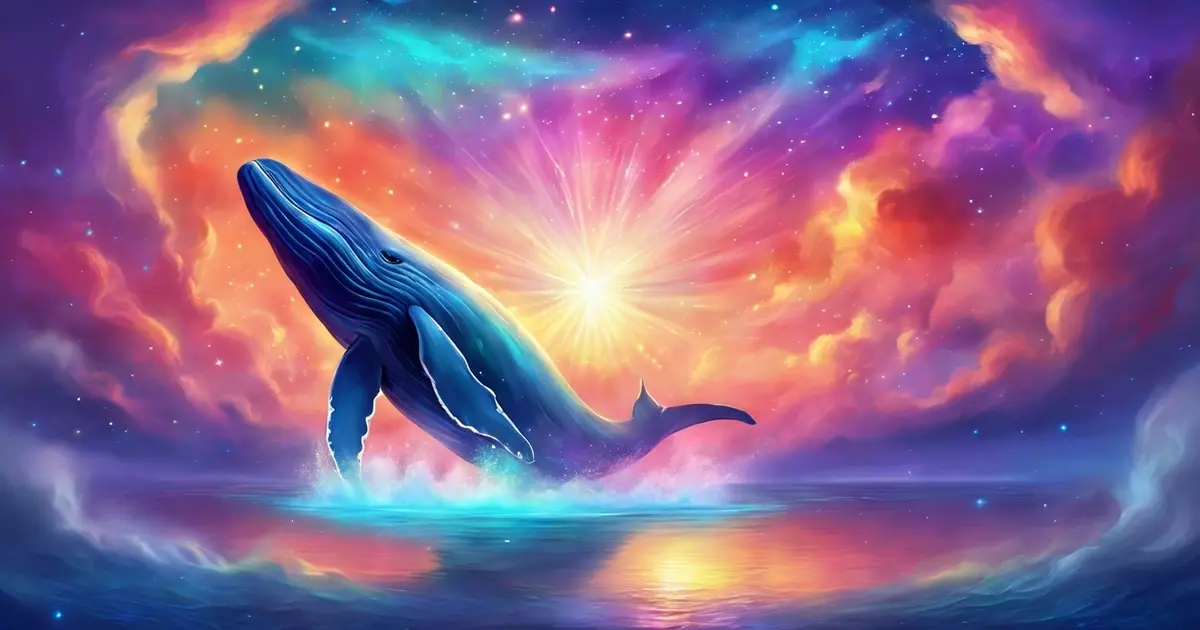
How Whale Species Shape Meaning
Species cues in a whale dream are significant as they can reveal insights into the dreamer's subconscious mind. Shape, color, behavior, and setting can shift in significance from culture to culture and from one personal history to another. Many Western cultures connect whales with wisdom and emotional depth, while Middle Eastern, African, Latin American, and some Indigenous communities emphasize hope, fertility, family, and spirit. Recent experiences—such as whale-watching or conservation headlines—can trigger recurring dreams and themes. Context from real species can color a dream: orcas, the largest living dolphins, are cosmopolitan and use echolocation. The sperm whale, an apex predator, signals rarity and power, while the fin whale, the second-longest after the blue whale, has faced severe threats from past whaling. Knowing the species helps narrow the read and can enhance dream analysis, enabling a deeper understanding of the messages these powerful creatures convey.
- Blue whale: vastness, quiet strength, and awe. Typically connected to grand ambitions, life-altering transformation, or spiritual expansiveness.
- Humpback: creativity, voice, and emotional flow. Songs and breaches point to expression and story.
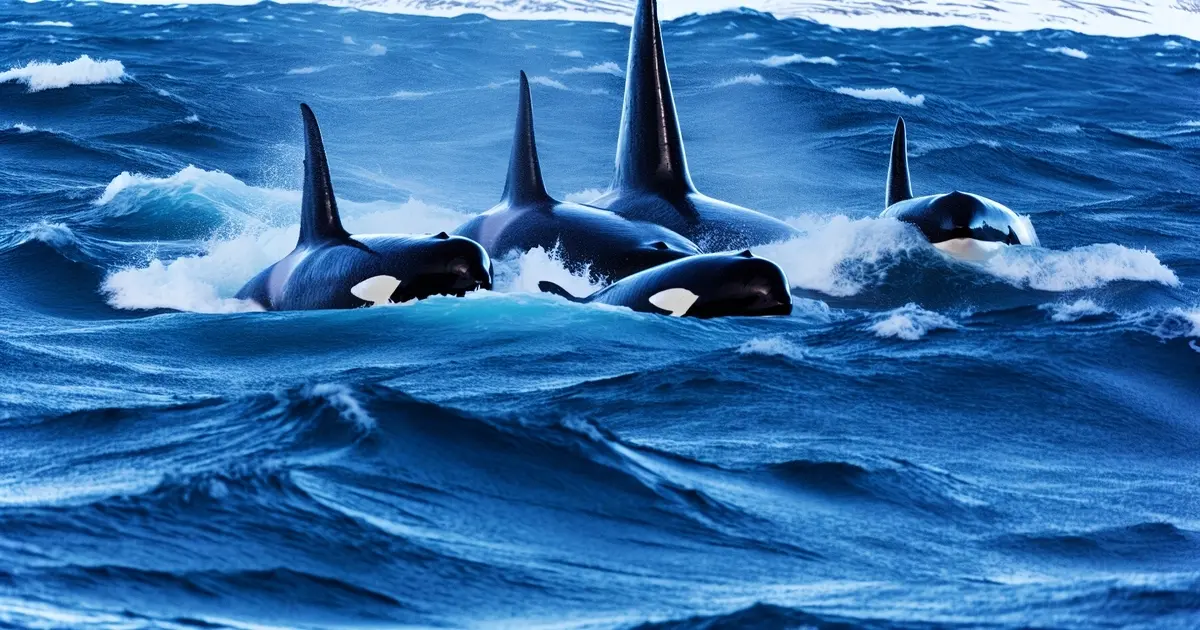
- Orca (killer whale): sharp mind, group power, and protection. It can mirror bold action or fear of force.
- Beluga: play, warmth, and care signal social bonds and gentle recovery.
Blue Whale
A representation of tremendous force and the profound unconscious. Many people interpret it as an encouragement to broaden focus, pursue largesse, or assume audacity.
A dream's rare blue can seem like a once-only door. Some perceive cosmic or natural connections. Others experience isolation and peace.
Culture shifts tone: hope and prosperity in some Middle Eastern views, intelligence and power in Western contexts.
Humpback Whale
Humpbacks frequently indicate voice and emotion, often seen in whales' dreams that reflect our subconscious mind. Dream songs, breaches, or fluke slaps can prod you to shout, scribble, croon, or spit some painful truths. The grueling journey can reflect the slow, dogged pursuit of a degree, career transformation, or recovery after tragedy. In specific Latin American lectures, pods of humpbacks reverberate family nurture. Many African folktales may suggest community welfare and plenty. If the whale feels jammed or mute, the need might be for catharsis or artistry, such as painting, dancing, or journaling, so that emotions can flow.
Orca (Killer Whale)
Orcas display intelligent, decisive strength within a pod and the desire to dominate while being inclusive.
They can read as both map and menace. Temper the force of will with collaboration and compassion.
Beluga Whale
Playful and social, belugas can mark joy after stress.
White can suggest purity, fresh beginnings, and faith.
They can signal a requirement for assistance, counseling, or an ear.
In specific Indigenous perspectives, a soft touch with a beluga can resonate like a soul connection to the ocean and earth.

A Global Tapestry of Whale Symbolism
Whales represent vast life energies that flow under the surface. In dreams, they may indicate wisdom, profound transformation, or the call of mystery. Significance varies across cultures, religions, and individual backgrounds, but patterns emerge.
To the Western mind, whales frequently signify knowledge, power, and the unconscious. Psychologists can interpret a breaching whale as a symbol that submerged emotions or thoughts are seeking expression. A submerging whale can signify a necessity for introspection. Dreams emerge more frequently among those near the sea, with spiritual or emotional transitions, or in periods of intense introspection. In several Asian cultures, a whale dream can be a luminous omen of fortune, professional achievements, or riches. For some Indigenous peoples, whales are sacred teachers and relatives. Dream whales may steer life decisions, healing, or coming-of-age ceremonies. In some regions of Latin America, whales can connect with familial and communal nurturing, reminiscent of pod life.
Biblical texts contribute their own shades of meaning. The tale of Jonah presents the great fish as both a test and a refuge. Even in the depths, God's care is there, and the voyage signifies inward majesty, thanksgiving, and a somber gaze upon the shadow self—broader text shifts between divine order and oceanic chaos. Leviathan reveals the power and enigma that we do not reign. This might, in your dreams, reveal the tension between faith and dread in the face of an oceanic life.
Baleen whales, which diverged from toothed whales roughly 34 million years ago, feed by filtering water through baleen plates. They vary in size from the 6 m pygmy right whale to the 31 m blue whale. Rorquals, of the family Balaenopteridae (type genus Balaenoptera), comprise nine extant species. The blue whale, a rorqual, can reach approximately 180 tonnes. Right whales (genus Eubalaena) have arched rostrums, V-shaped blows, and consume copepods, krill, and pteropods. Ship collisions and fishing gear claim many lives, and North Atlantic and North Pacific right whales are the most endangered despite worldwide safeguards. Whale barnacles hitch a ride, filter feed with cirri, and fall off along migration routes. Fossils even chart ancient migrations. Deep history adds another layer. Livyatan, a giant toothed whale with the most prominent biting teeth known, hunted at 13.5 to 17.5 m before cooling thinned its prey. Sperm whales also produce ambergris, long-sought after in perfume and food, but today supplanted mainly by synthetic ambroxide. Knowing these facts can shape the meaning of dreams. A barnacle-covered whale might hint at burdens, while a blue whale may point to awe or scale.
| Culture/Source | Common meaning in dreams | Why it matters |
|---|---|---|
| Western | Wisdom, strength, subconscious depths | Encourages honest inner work |
| Asian | Good fortune, rise in status | Frames the dream as hopeful |
| Indigenous | Sacred guide, kinship, duty | Guides community-minded choices |
| Latin American | Family bonds, care networks | Highlights support systems |
| Biblical (Jonah/Leviathan) | Providence amid chaos | Balances fear with faith |
| Modern psychology | Integration of emotion, self | Flags growth and resilience |
These perspectives provide nuance and support alignment with your own journey.

The Whale as Your Inner Guide
Whales appear in dreams as steadfast mentors, leading you into the still, submerged corners of the psyche. These whalesdreams indicate your inner guide and wisdom, reflecting desires and fears from your subconscious mind. Several traditions associate these powerful creatures with prayer, protection, and second chances, mirroring narratives of enclosure and regeneration.
Navigating Life
Whale dreams are like a map in tangled times. The whale glides through deep water with serene intention, reflecting how you can drift through tangled feelings or tough decisions with stillness.
Watch the motion: smooth dives, long glides, then a breach. That rhythm whispers when to dive, when to strike, and when to rise. Humpbacks migrate thousands of kilometers between the poles and the equator seasonally. Their flexibility is a template for your own cycles.
Take the dream to set your course. Identify a single obvious objective, identify the initial small step, and select a timing to "surface" for review. The bowhead's long life of over 200 years speaks to steady, long-term work.
Remember resilience. Bowhead right whales encounter ship strikes and noise, and they persist. Your plan can as well if you adapt to new currents instead of battling them.
Facing Shadows
When a whale surfaces in choppy seas, in nocturnal water, or in profound depth, the dream may be indicating anxieties, sorrows, or self-components you tend to hide. There is no threat, but a summons to confront what is difficult with the whale's magnitude and tranquility. The Jonah tale presents holding and returning — three days confined and then freed — a metaphor for feelings swallowed, then processed. Whales can turn their eyes in and out, which is a metaphor for expansive consciousness. Spyhopping teaches us how to ascend, survey, and remain receptive even when vulnerable. Go back to grounding in breath, then address one memory at a time.
- Name the fear; keep the words exact and straightforward.
- Notice where it resides in the body. Leave some room.
- Ask what message it brings; write one clear line.
- Pick one gentle thing you can do for yourself today. Make it small.
To encounter the whale is an opportunity to shed shame, sift truth from static, and open the way ahead.
Embracing Change
Whale dreams often signal a turn: an end that feeds a start in our personal life experiences. Migration and adaptability, whether it's breaching and traveling humpbacks or southern right whales "tail-sailing," reflect your willingness to relocate, explore new work, or exit old stinky jobs. 'Letting go' is about discarding worn assumptions, like ancient fishing lines. Real whales encounter nets and sonar, and yet they navigate through the ocean waters of their existence. Recovery is possible; humpbacks have rebounded to about 135,000 worldwide. Southern right whales rose from near collapse to steady growth. Yet some, like North Atlantic right whales, which number about 356 individuals, remain at risk, reminding you that change needs care and limits. Community matters too. Many cultures tie whales to shared well-being and abundance, and whale watching, which drew around 13 million people in 2008, can fund science and coastal livelihoods when conducted under strict rules. Keiko, Free Willy's orca, represents the subtlety of a second chance. He was released in 2002 and died in 2003, weighing approximately 5,216 kg, a narrative thread of optimism and reality interwoven. Take heart, be receptive, and flow with the current you select.
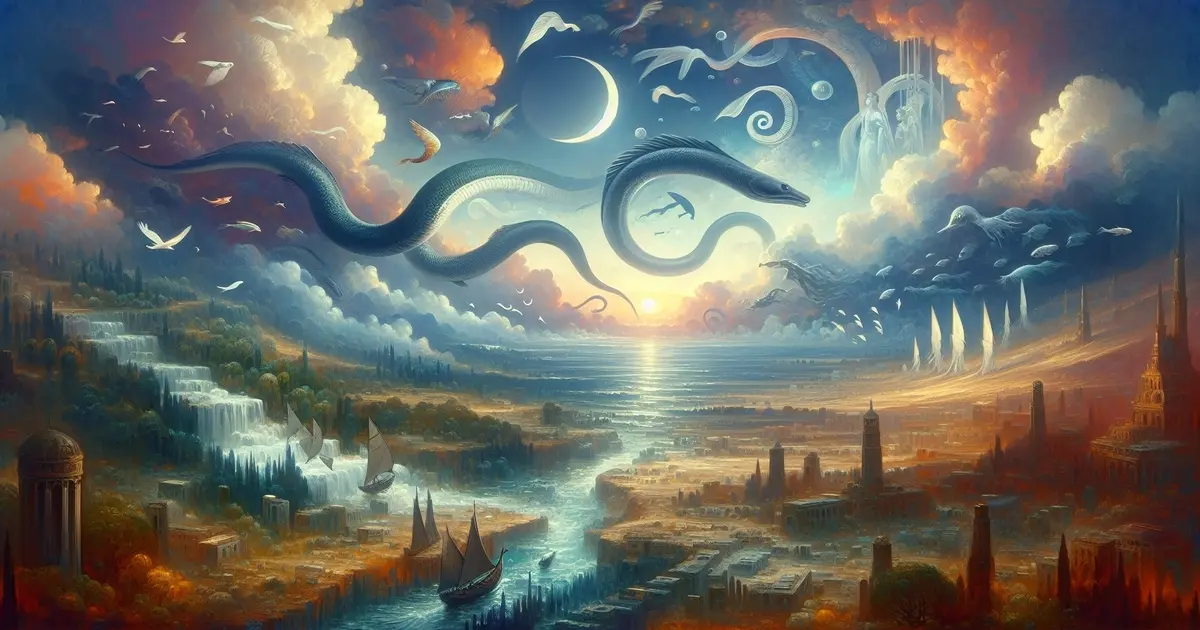

How to Interpret Your Dream
Start with a precise aim: understand what you lived through in the dream, not chase a single "right" answer. A phenomenological approach regards the dream as an experience to observe. What you saw, heard, and felt can stand on its own first, before you speculate about meaning. Remain open to the straightforward instance. Dreams can be reverberations of recent occurrences and carry no hidden message. However, whales' dreams can often symbolize deeper aspects of your subconscious mind, revealing insights about your emotional depth and personal experiences.
Maintain a dream journal. Write every night, even brief notes. Write down the scene, whale size, color, noises, and your disposition during and after. Pay attention to characters, locations, or numerals. Follow recurring dreams and your emotions within them. That motif can indicate tension, mourning, or transformation. Ask descriptive questions to build detail: Where was the whale? How were the waters? Did the whale flit? Were you safe, observing, or threatened? Did anything change when you talked or kept silent? Over time, a diary helps you notice connections between your days and your nights, allowing for a better understanding of the symbolic meaning of your dreams.
Remove the context from the dream. It's not just about the whale; the type of whale matters. Baleen whales filter food with baleen—keratin plates 0.5 to 3.5 meters long, weighing up to 90 kilograms—and odontocetes hunt using teeth. Odontocetes, such as dolphins, porpoises, and sperm whales, diverged from baleen whales around 34 million years ago. Toothed whales vary in size, from the 1.4-meter vaquita to the 20-meter sperm whale, and typically prey on fish and squid, although some, like orcas, hunt other mammals. That contrast between hunt and filter can shift how you interpret the dream's tenor. A minke whale (two species in this baleen bunch) may symbolize silent endurance or consistent effort.
A sperm whale dive might signify deep and dangerous. A pilot whale scene—these are large oceanic dolphins in the genus Globicephala—might conjure up themes of loyalty and life-lasting pods. A beach stranding could reflect feeling overwhelmed or drowned out, since actual pilot whales do strand, likely connected to inner ear damage from ocean noise. False killer whale (Pseudorca crassidens), social, forms large mixed pods and can suggest group ties or peer tug. Mass-strand pictures may indicate group pressure. News about orcas, such as Tilikum, a captive male that weighed approximately 5,670 kilograms and was linked to fatal attacks, can ooze into your dreams. At the same time, you work through matters of morality, dominance, or manipulation. Observe laws and history—cetaceans are protected these days because of previous hunts, which can inform sensations of injury and nurture in your dream.
Take it back to your life. Ask what in your week matches your dream's pull: workload, a team shift, a big choice, or a wish to rest. Two of us could dream the same whale and read it very differently, so make it personal. Try more than one method—be multilingual in dreamwork—and let the dream show how it wants to be read: symbol, story, mood, or memory. If a dream recurs, plot triggers such as exhaustion, stress, or information. Use insights for small steps: set a boundary, plan a deep-dive task, or carve time for calm water, allowing you to better connect with your true self and desires.

Conclusion
Whale dreams indicate huge mood swings, profound connections, and gradual but genuine transformation. It's the kind of whale that dictates the mood. The tableau lends form. Culture shapes the focus. A blue whale in flat seas can foreshadow determined propulsion. An orca chase can fling out a flag of stress from the office or the family home. A gray whale near shore can signal the need to set safe lines. A humpback's song can nudge you to say something.
Facts from your day still count—notice who was present, your emotions, and what was prominent. Let the dream lead, not lord.
Got a whale dream rattling around in your head? Make a note to share, maintain a dream log for a fortnight, or talk it out with a professional if it feels weighty. Your next step begins now.

Frequently Asked Questions
Recent Dreams
Other Dreams






Read more dream interpretations
Dive into the realm of dreams. Explore various dream interpretations. Enhance your understanding of what your dreams could be telling you.
About the author

We provide insights to harness the power of your dreams, improving not just your nighttime narrative, but your daily life as well.